Which is Better Value? Acer Chromebook Plus Spin 514 vs Lenovo Chromebook Plus 14 Inch Compared
Introduction
Chromebooks occupy a wide range of niches, from entry-level school machines to high-end ultraportables that challenge traditional laptops. Two models that often appear on comparison lists are the Acer Chromebook Plus Spin 514 and the Lenovo Chromebook Plus 14 Inch. Both carry the "Plus" badge that signals a step up from basic Chromebooks—better displays, stronger performance, and extra features—but they approach design and priorities differently.
This article examines both machines through the lens of real-world use: students managing notes and video calls, professionals handling web apps and light productivity, travelers who value battery life and durability, and media consumers wanting a pleasant streaming experience. The goal is to determine which model offers better value depending on typical buyer priorities.
Overview: What the “Plus” Badge Means
The “Plus” name on Chromebook models generally indicates a premium configuration within a product family: higher-quality displays, more RAM and storage options, improved processors compared with base models, and often better build materials. It does not standardize one specification—configurations vary by region and retailer. Readers should therefore weigh core attributes—display quality, performance class, battery life, build and input comfort, ports, and warranty—rather than focus solely on badges.
Detailed Product Review and Analysis
Acer Chromebook Plus Spin 514 — Analysis
The Acer Chromebook Plus Spin 514 is a convertible 2-in-1 aimed at buyers who want flexibility. The “Spin” designation means the hinge rotates to use the device as a tablet, in tent mode, or as a traditional laptop. This physical versatility suits note-taking with a stylus, casual content consumption, and cramped airplane trays where tent mode is convenient.
Build and design emphasize durability and portability. The chassis is typically compact for a 14-inch-class device, with a slightly thicker profile to accommodate a 360-degree hinge. The keyboard layout generally retains comfortable key travel for extended typing sessions, and the trackpad size leans toward roomy and responsive. A backlit keyboard is often included in higher-tier configurations, making late-night work easier.
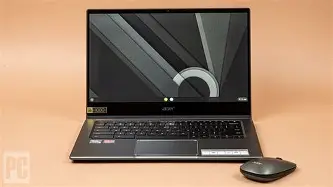
Performance on the Spin 514 depends on the configuration. Available configurations put it in the upper mid-range for Chromebooks: smooth web browsing with dozens of tabs, competent handling of Android and Linux apps, and adequate responsiveness for cloud-based productivity suites. Video playback, video calls, and light image editing perform well. Thermal management on convertibles tends to be conservative, so sustained heavy loads may see throttling, but the target audience rarely requires prolonged, high-power workloads.
Display options are a selling point for this model. Touch capability and higher-resolution panels (relative to entry-level Chromebooks) provide crisp text and vibrant streaming. The convertible form factor amplifies the value of the touch surface for reading, sketching, and annotation.
Battery life is commonly strong enough for an academic day or a long flight in mixed use—document editing, browsing, and some streaming—but actual mileage depends on screen brightness and workload. Port selection is typically generous: multiple USB-C ports for charging and video output, a couple of USB-A ports, and perhaps a microSD slot for modest storage expansion.
Lenovo Chromebook Plus 14 Inch — Analysis
The Lenovo Chromebook Plus 14 Inch prioritizes an all-around laptop experience with a larger display area, and in many configurations it targets users who want a traditional clamshell with a premium screen and comfortable typing surface. The 14-inch size balances productivity and portability: larger than compact 11–13 inch Chromebooks, but still manageable for commuters.
Design language skews toward understated elegance. Thin bezels on some configurations increase screen real estate and modernize the look. The chassis materials range from plastic with metal accents to metal shells on higher-end trims. The hinge is typically a standard 180–270 degree laptop hinge rather than a full 360-degree convertible, favoring a stable typing experience over tablet versatility.
Performance on the Lenovo model reflects its role as a Chromebook for heavy web workloads and multitasking. Configurations commonly include more RAM options and faster storage than base models, making app switching and tabs-heavy workflows feel snappier. The keyboard has a reputation for comfortable travel and accurate feedback, which benefits writers, students, and professionals who type for long stretches.
Shop the latest Laptops & Computers picks on Amazon.
Browse Now →Display quality is a core selling point for this Lenovo. Some configurations offer higher resolution, wider color gamut panels, or brighter screens—attributes that improve video playback, photo viewing, and the general feeling of premium quality. Battery life likewise aims to cover a full workday in mixed usage, though figures vary by configuration and brightness settings.
Comparison Table
| Category | Acer Chromebook Plus Spin 514 | Lenovo Chromebook Plus 14 Inch |
|---|---|---|
| Form Factor | Convertible 2-in-1 (360° hinge) — touch and stylus friendly | Traditional clamshell (14-inch) — stable typing-focused design |
| Display | Touch-enabled, higher-than-entry quality, good for annotation | Large 14" panels, options for higher brightness and color accuracy |
| Performance | Upper mid-range; good for multitasking, web apps, light Linux use | Upper mid-range to premium; smoother with multiple apps/tabs |
| Battery Life | Solid, day-long in mixed use; depends on brightness and CPU | Designed for all-day use in typical office/student workflows |
| Ports | Multiple USB-C, USB-A, often microSD; good connectivity | Similar selection; emphasis on practical port layout for desks |
| Build & Durability | Sturdy, slightly thicker to support hinge; travel-friendly | Refined, sometimes slimmer; focus on premium feel |
| Best For | Students, note-takers, occasional stylus users, travelers needing flexibility | Writers, office workers, content consumers who prioritize screen and keyboard |
Pros & Cons
Acer Chromebook Plus Spin 514
- Pros: Versatile 2-in-1 design for multiple usage modes; touch and stylus support; solid build for a travel-friendly convertible; responsive for everyday multitasking; generally well-balanced port selection.
- Cons: Convertible thermal and power constraints can limit long bursts of heavy processing; slightly thicker and heavier than clamshell competitors; screen brightness and color options vary by configuration.
Lenovo Chromebook Plus 14 Inch
- Pros: Larger, high-quality displays available; comfortable keyboard for long typing sessions; typically stronger sustained performance for multitasking; sleek, refined chassis on higher trims.
- Cons: Less flexible than convertible models for tablet-style note-taking; some premium display and build options can push price up; weight and footprint larger than 13-inch ultraportables.
Real-World Use Cases: Which Model Shines
Students and Note-Takers
For students who take handwritten notes in lectures or annotate PDFs, the Acer Spin 514’s convertible design and touch support make it especially attractive. The ability to flip into tablet or tent mode simplifies in-class sketching and group viewing. The Spin is also forgiving when used on crowded desks or lap positions.
However, students who spend long periods typing essays or coding may prefer the Lenovo’s keyboard comfort and larger screen, which reduces scrolling and improves side-by-side document workflows.
Remote Workers and Professionals
Remote workers who rely on web-based productivity suites, video conferencing, and multitasking will find both machines competent. The Lenovo’s larger display and sustained multitasking capabilities advantage professionals who juggle multiple web apps and browser windows. The Acer’s flexibility helps when switching between presentation modes or when a stylus is useful for annotating documents during meetings.
Frequent Travelers
Travelers benefit from the Acer’s convertible versatility and durable feel—tent mode is handy for inflight entertainment, while tablet mode simplifies navigation in tight spaces. The Acer’s typical port spread alleviates reliance on hubs during short trips.
Lenovo’s battery-focused configurations and comfortable keyboard appeal to travelers who work for longer stretches away from a desk. The Lenovo is slightly larger but can be more pleasant for extended typing on trains or in coworking spaces.

Media and Content Consumption
Lenovo’s screen options and potential for higher brightness and color fidelity give it the edge for streaming and photo viewing. The Acer’s touch-enabled display and convertible modes, however, make content consumption more flexible and casual.
Buying Guide: How to Choose Between the Two
Choosing the better value depends on the buyer’s priorities. Consider the following factors when making a decision.
1. Primary Use
If portability and flexibility (tablet mode, stylus use, occasional drawing) are primary, the Acer Spin 514 likely delivers more practical value. If extended typing sessions, larger screen real estate, and sustained multitasking are priorities, the Lenovo model will often be the better fit.
2. Configuration Options
Evaluate RAM and storage choices carefully. For multitasking and running Android or Linux apps, prioritize at least 8GB of RAM. Storage on Chromebooks often relies on cloud integration, but opting for a larger local SSD or eMMC helps when offline work or local Linux containers are needed.
3. Display Importance
Buyers who watch a lot of video, edit photos, or want a crisper desktop experience should choose the configuration with higher resolution and better color coverage. The Lenovo 14-inch configurations typically emphasize this category.
Shop the latest Laptops & Computers picks on Amazon.
View Offers →4. Battery Life Expectations
Check manufacturer claims but treat them as idealized figures. Consider how brightness, background tabs, and streaming affect real-world battery life. If battery longevity under heavy usage is crucial, select the configuration known for efficient processors and larger battery capacities.
5. Ports and Expandability
Consider the number and type of ports. Travelers and students may prefer at least one USB-A port plus a couple of USB-C ports for charging and external displays. A microSD slot is a convenient option for photographers and people who like local expansion without dongles.
6. Keyboard and Input Comfort
Test the keyboard where possible. Buyers who type for work should prefer models with satisfying key travel and stable palm rests. Convertibles sometimes compromise on keyboard feel to maintain hinge flexibility—factor this into the decision.
7. Durability and Service
Consider build quality and warranty. A model with reinforced hinges, spill-resistant keyboard, or MIL-STD testing offers peace of mind for students and frequent travelers. Also check warranty terms and support reputation in the buyer’s region.
8. Price vs Long-Term Use
Value is not just lowest upfront cost. Consider how long the device will remain useful: a slightly higher investment in RAM, a better display, or a more capable processor can extend practical life and delay replacement—often a better long-term value.
Final Recommendation
Both the Acer Chromebook Plus Spin 514 and the Lenovo Chromebook Plus 14 Inch deliver strong value in different ways. The Acer Spin 514 represents better value for users who prioritize versatility: note-taking, stylus use, and a flexible device for travel and casual consumption. Its convertible form factor and touch focus make it the practical pick for students and creative note-takers.
The Lenovo Chromebook Plus 14 Inch delivers better value for users who prioritize a premium display, extended typing comfort, and sustained multitasking. It is a solid choice for professionals, writers, and heavy browser users who want a more traditional laptop experience with a stronger emphasis on screen quality and keyboard ergonomics.
Ultimately, the better value is the one that aligns with the buyer’s daily workflows. Prospective buyers should compare available configurations side-by-side—prioritizing RAM, display quality, and battery capacity—and choose the model whose trade-offs match the most frequent use cases.
Conclusion
Between the two models, neither is universally superior; both provide notable upgrades over basic Chromebooks. The Acer Chromebook Plus Spin 514 excels for those who want the flexibility of a convertible and the convenience of touch and stylus input. The Lenovo Chromebook Plus 14 Inch is a finer choice for those who value screen quality and an uncompromised typing experience. Considering configuration options, intended usage patterns, and budget will reveal which offers the better value for an individual buyer’s needs.