The Truth About the Rog Swift Pg279Q: Pros, Cons, and Verdict
Overview: The Rog Swift Pg279Q is often mentioned in conversations about high-refresh 27-inch monitors that balance gaming performance and color fidelity. Launched as part of ASUS's Republic of Gamers (ROG) lineup, this display targets users who want WQHD resolution with high refresh rates and adaptive sync technology. This article examines the Pg279Q in practical, real-world terms—how it performs for different types of users, where it shines, where it falls short, and whether it still makes sense to buy given alternatives on the market.
Introduction
For many buyers, the monitor is where the experience of a PC or console comes together. The Rog Swift Pg279Q promises a mix of speed and image quality: 27 inches of IPS panel real estate at 2560×1440 with a refresh rate designed to please competitive gamers while offering colors that creative professionals can work with. But any product lives in the real world of imperfect panels, system mismatches, and evolving standards. This review takes a close, practical look at what typical buyers—competitive gamers, content creators, and hybrid users—should expect from the Rog Swift Pg279Q.
Detailed Product Review and Analysis
Design and Build
The Rog Swift Pg279Q uses the familiar angular ROG aesthetic: matte plastics, an adjustable stand that offers height, tilt, swivel, and pivot, and a compact bezel for multi-monitor setups. The stand is sturdy enough for regular use and allows portrait orientation, which is useful for coding, reading long documents, or certain streaming overlays. Build quality is generally solid; however, aesthetic preferences vary and some users prefer less aggressive styling for office setups.
Panel and Image Quality
At its core the Pg279Q is a 27-inch WQHD (2560×1440) IPS panel. That resolution with a 27-inch diagonal delivers a good pixel density for sharp text and detailed images without the need for aggressive desktop scaling. The IPS matrix produces wide viewing angles and consistently accurate colors out of the box compared with TN panels. For photographers and designers who do mostly web and screen work, the Pg279Q can be a good fit after basic calibration.
Common real-world caveats include panel uniformity and backlight bleed. As with many IPS panels, slight variations across the panel are possible; buyers should expect the usual range of factory tolerances. For most users these are minor, but for those who need perfect uniformity for color-critical print work, professional-grade displays with factory calibration and stronger QA may be preferable.
Refresh Rate, Response, and Motion
One of the Pg279Q’s major selling points is its high refresh rate. The monitor supports high-refresh gameplay (commonly 144Hz and often overclockable to 165Hz in practical use), paired with adaptive sync technology to reduce tearing and stutter. In competitive multiplayer titles the higher refresh rate delivers a smoother aim and clearer motion perception compared with 60Hz displays. However, the IPS panel's response time is typically a few milliseconds slower than the fastest TN panels; motion clarity is excellent for most gamers, but a tiny number of professional esports players might still prefer TN displays for absolute minimal pixel transition lag.
Adaptive Sync and Compatibility
The Pg279Q integrates adaptive sync functionality, improving the experience when GPU frame rates fluctuate. For systems with compatible GPUs, this reduces screen tearing without the input lag sometimes associated with V-Sync. Buyers should verify compatibility with their graphics card and operating system; modern NVIDIA and AMD drivers generally support adaptive sync, but driver updates and OS versions influence the smoothness of the feature.
Color and Calibration
Out of the box the Pg279Q usually offers good color balance and coverage of common standards such as sRGB. With a basic hardware calibration or a colorimeter, users can get noticeably improved accuracy for photo editing or design work. The monitor is not a high-end reference display for print production, but for social media content, streaming, video previewing, and general design work it performs well. Buyers who need wide DCI-P3 or Adobe RGB coverage should check exact factory specifications and consider a monitor specifically targeted at wide-gamut color reproduction.
Connectivity and Extras
Port selection typically includes DisplayPort and HDMI, plus USB ports for hub functions on supported revisions. The ergonomic stand and VESA mounting support make it flexible for different desk setups. Some versions of ROG monitors include on-screen display software and quick controls for gaming profiles, crosshair overlays, and low-blue-light presets—features that some players find valuable during long sessions.
Looking for the best Electronics deals on Amazon?
See Deals →Heat, Noise, and Power
The monitor’s power draw and heat generation are modest. No active cooling or audible fans are present, so noise is not a concern. Power consumption varies with brightness and refresh rate; higher refresh rates and brighter settings increase draw slightly. This is standard for gaming displays and not a unique drawback.
Longevity and Warranty
Longevity depends on usage patterns. Heavy gaming at maximum brightness for hours daily accelerates normal wear. ASUS traditionally provides warranties and support channels; buyers should verify regional warranty terms and the process for panel replacement or dead-pixel policies. Buying from reputable vendors with fair return windows helps mitigate the chance of receiving a unit with unacceptable backlight bleed or dead pixels.
Pros & Cons
- Pros: High refresh rate (smooth gameplay), WQHD resolution (good balance of detail and performance), IPS color and viewing angles (strong for creatives), ergonomic stand and VESA compatibility, adaptive sync support (reduced tearing).
- Cons: IPS-specific issues like potential backlight bleed and panel uniformity variance, slightly slower pixel response than the fastest TN panels (minor motion blur for a few competitive players), newer monitors with expanded color gamuts and faster scalar tech have emerged since release, prices can fluctuate making value assessment context-dependent.
Comparison Table
| Model | Panel Type | Size | Resolution | Refresh Rate | Adaptive Sync | Best For |
|---|---|---|---|---|---|---|
| Rog Swift Pg279Q | IPS | 27" | 2560×1440 (WQHD) | 144–165Hz (overclockable) | G-SYNC / Adaptive Sync | Balanced gaming + content creation |
| Acer Predator XB271HU | IPS | 27" | 2560×1440 | 144–165Hz | G-SYNC | Similar hybrid gaming/creative use |
| Dell S2716DG | TN | 27" | 2560×1440 | 144Hz | G-SYNC | Competitive gaming where minimal response time matters |
| LG 27GL850 | IPS (Nano IPS) | 27" | 2560×1440 | 144Hz | FreeSync / G-SYNC Compatible | Color-focused users who game; strong color gamut |
Real-World Use Cases
Competitive and Casual Gaming
The Pg279Q is well-suited for competitive and serious gamers who want an edge in fluidity without compromising color fidelity. In fast-paced shooters and racing titles, higher refresh rates reduce perceived input lag and deliver a more consistent feel. Casual gamers who value image quality for single-player or story-driven titles also benefit from the IPS panel’s color and contrast.
Content Creation and Streaming
Streamers and content creators get a monitor that can handle both gameplay and editing workloads. The WQHD resolution provides more workspace for timelines and side panels in editing software, and IPS color performance helps with accurate on-screen color. For tasks that require absolute print-level color accuracy, an additional calibrated reference monitor or color-managed workflow is advisable.
Productivity and Multi-Tasking
For office productivity, the 27-inch WQHD canvas offers more screen real estate than a 1080p panel without forcing scaling that can complicate UI layouts. The monitor’s ergonomic stand and pivot are practical for developers, designers, and knowledge workers who shift between portrait and landscape modes.
What Buyers Typically Care About — and How the Pg279Q Measures Up
- Refresh rate and smoothness: The Pg279Q delivers a high-refresh experience suitable for most competitive gamers. Those chasing every millisecond should compare the fastest TN alternatives.
- Image quality and color accuracy: Strong for screen-based work. Good out-of-box color that improves with simple calibration.
- Build and ergonomics: Adjustable stand and VESA support satisfy buyers who need flexible setups.
- Connectivity: Adequate for modern GPUs; verify specific port counts on the unit under consideration.
- Panel defects and QA: Like many IPS monitors, sample variation exists. Reasonable return policies help manage the risk of a flawed unit.
Buying Guide: How to Decide if the Rog Swift Pg279Q Is Right
When evaluating the Rog Swift Pg279Q, consider the following checklist and purchase strategy. This section helps align the monitor’s strengths with the buyer’s priorities and technical setup.
1. Match the Screen to the GPU and Use Case
High refresh rates are only useful when the GPU can push enough frames. For users running older hardware or prioritizing ultra-high graphical fidelity at native resolution, ensure the GPU can deliver consistent frame rates at 2560×1440. Otherwise, consider whether a lower-resolution high-refresh monitor or a stronger GPU makes more sense.
2. Prioritize Panel Type by Need
If competitive speed is the top priority and absolute minimum pixel response is required, a TN panel might still be preferable. For a balance of color and speed, IPS monitors like the Pg279Q are excellent. For color-critical print work, a dedicated wide-gamut pro monitor with factory calibration is better.
Find top-rated Electronics products at great prices.
Browse Now →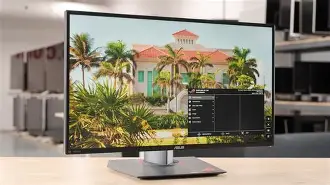
3. Inspect Ergonomics and Desk Fit
Confirm stand adjustments and VESA compatibility. If the desk setup requires monitor arms or specific tilt ranges, check the specs and ensure the monitor can be mounted or adjusted to the required height and angle.
4. Check for Adaptive Sync and Compatibility
Understand whether the specific revision of the monitor is compatible with the GPU’s adaptive sync technology. Some users must enable or update drivers to achieve the best experience with G-SYNC or FreeSync compatibility.
5. Account for Calibration and Color Workflow
Determine whether a simple software calibration will suffice or if a hardware colorimeter is warranted. For most creators a $100–200 calibration device is a worthwhile investment for consistent color across devices.
6. Return Policy and Panel Warranty
Because panel uniformity and potential dead pixels are manufacturer-dependent, a return window and a clear warranty policy are essential. Verify the seller’s policy and ASUS warranty terms for panel replacement thresholds.
7. Compare Current Alternatives
Technology moves quickly. Newer panels with faster IPS response, wider color gamuts, and better factory calibration arrive regularly. Compare current model specs and user reviews to determine if the Pg279Q’s combination of price and performance still fits the market.
Practical Tips for Buyers and Owners
- Calibrate early: Use built-in color presets as a starting point, then follow up with a basic hardware calibration for critical work.
- Test returns quickly: Inspect any new unit for backlight bleed, dead pixels, and uneven uniformity within the retailer’s return window.
- Optimize settings by content: Lower response time settings can reduce motion blur but may increase overshoot—test gaming titles and cinematic content separately.
- Match refresh rate and resolution in games: Enable the monitor’s native resolution and refresh rate in game settings to get the best experience; consider frame-rate caps if adaptive sync is enabled.
Verdict and Conclusion
The Rog Swift Pg279Q remains a strong option for buyers who want a 27-inch WQHD monitor that balances gaming performance and image quality. It delivers high refresh rates that noticeably improve fluidity in gameplay while using an IPS panel that offers wide viewing angles and reliable color reproduction for creative tasks. The typical trade-offs—IPS uniformity and marginally slower pixel response compared with TN—are relevant mostly to a narrow segment of professional esports competitors or to users who demand perfect uniformity from the start.
For the majority of users—competitive but not professional esports players, streamers who also edit their footage, and knowledge workers who appreciate a sharp desktop and good color—the Pg279Q is a compelling hybrid. The deciding factors should be the buyer’s GPU capability, tolerance for panel variation, and whether the specific monitor revision meets feature needs like adaptive sync compatibility and ergonomics. When those align, the Rog Swift Pg279Q offers a well-rounded experience that hits the key points most buyers care about: smoothness, clarity, and color quality.