New Balance Specs, Features, and Value: Is it worth the price tag?
Introduction
New Balance has long occupied a unique position in the athletic and lifestyle footwear market: a brand known for engineering-driven designs, a wide range of sizes and widths, and a willingness to experiment with materials and midsole technologies. While often categorized alongside other sportswear companies, New Balance distinguishes itself through a mix of performance-oriented running shoes and heritage lifestyle models. This article takes a practical, third‑person look at the brand's key specs and features, evaluates real-world use cases, examines where value is delivered, and helps potential buyers determine whether the typical price tags are justified.
What consumers typically care about
When evaluating footwear, buyers generally focus on a set of recurring priorities: fit (including width and sizing consistency), comfort (day‑one and long‑term), performance for specific activities (running, gym, walking), durability, breathability, and aesthetic appeal. Price often becomes a function of perceived longevity and technology. For New Balance, two additional shopper concerns often appear: availability of specialty widths and support for foot conditions, and how the shoe's technology (e.g., Fresh Foam, FuelCell, ABZORB) translates into real-world feel.
Detailed product review and analysis
The following analysis covers core New Balance platforms representative of the brand's offering: a neutral cushioned trainer, a stability trainer, a versatile lifestyle model, and a performance racing/tempo option. Instead of relying on a single numerical rating, the review explains how each platform fits particular use cases and buyer priorities.
Fresh Foam 1080 (neutral daily trainer)
Overview: The Fresh Foam 1080 is positioned as New Balance's flagship neutral trainer for long runs and all‑day comfort. Its midsole is built around Fresh Foam cushioning, a geometry-driven foam aimed at balancing softness and responsiveness.
Real-world use: Runners who log medium to high weekly mileage appreciate the 1080 for long runs and recovery days, while non-runners value it for standing or commuting because of the plush feel. Those who prioritize a soft ride and smooth transitions will find this model appealing.
Fit and construction: New Balance typically offers the 1080 in multiple widths, which benefits individuals with wider forefeet. The engineered knit or mesh upper provides breathability and conforms with minimal break-in time. The outsole compound tends to favor road traction and even wear across typical running gaits.
Performance trade-offs: The soft midsole improves comfort but can feel less snappy for faster workouts. For runners seeking aggressive responsiveness or firm race‑day energy return, the 1080 may not be optimal.
860 (stability trainer)
Overview: The 860 has long been New Balance's stability workhorse, incorporating medial support features to control mild to moderate overpronation while keeping cushioning comfortable for daily training.
Real-world use: For runners who need structured support without a heavy, clunky feel, the 860 delivers predictable gait control for daily runs and long training blocks. It also suits people on their feet for long shifts who want some corrective support.
Fit and construction: The 860 emphasizes a secure midfoot and heel lockdown with supportive overlays. Durability is typically solid due to denser midsole materials in the stability zone and reinforced rubber in high‑wear areas.
Performance trade-offs: Stability elements add mass and can reduce ultimate responsiveness. For those who have neutral gaits, the 860 may feel unnecessarily supported and slightly heavier than comparable neutral models.
327 / 574 (lifestyle and heritage models)
Overview: Models like the 327 and the classic 574 represent New Balance's heritage and lifestyle propositions. They emphasize aesthetics, casual comfort, and day‑to‑day practicality over targeted performance metrics.
Looking for the best Electronics deals on Amazon?
View Offers →Real-world use: These shoes work well for urban commuting, light walking, and wardrobe versatility. Consumers frequently choose them for office-casual settings or as an alternative to dress shoes when comfort is a priority.
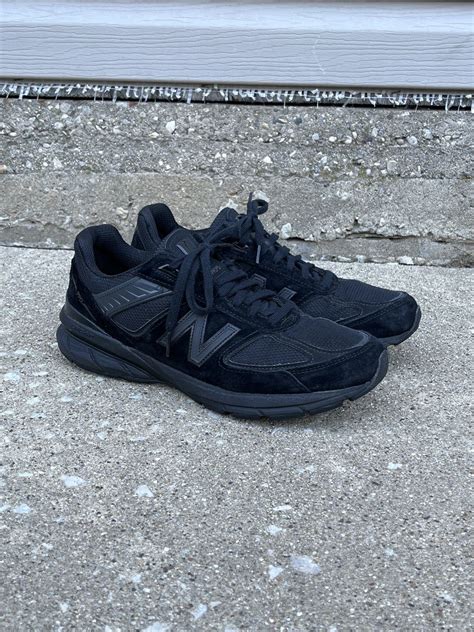
Fit and construction: Heritage models often use retro-inspired materials such as suede and overlays combined with modest midsole cushioning. They are generally durable and forgiving in fit, though not engineered for prolonged running.
FuelCell and performance models (tempo and race)
Overview: The FuelCell family targets faster training and shorter races by prioritizing energy return and propulsion. These shoes pair responsive foam with sleeker geometries to promote forward momentum.
Real-world use: Athletes seeking tempo runs, faster intervals, or shorter road races will benefit most. The shoes are also chosen by runners looking for a lively gym shoe for speed sessions.
Fit and construction: Performance models tend to have a snugger fit and lower stack heights relative to recovery shoes. They may sacrifice ultimate long-run cushioning for a quicker, more responsive feel.
Performance trade-offs: These models are optimized for speed and can feel firm on recovery days. Durability may be targeted toward reduced weight rather than maximum longevity.
Technology and materials explained
Understanding New Balance's named technologies helps translate marketing language into buyer decisions.
- Fresh Foam: A molded foam midsole designed to provide a plush, even ride with engineered geometry for stability and comfort.
- FuelCell: A firmer, more responsive foam focused on propulsion and energy return, used in tempo and race models.
- ABZORB: A cushioning compound that absorbs impact, often paired with other foam systems to modulate compression characteristics.
- REVlite: A lighter‑weight foam designed to shave grams while maintaining cushioning for everyday trainers.
- NDurance: A high-durability rubber compound used on outsoles to improve longevity in high-wear zones.
- Ortholite: Common in‑sole technology for improved breathability and antimicrobial properties.
These technologies are combined in different ways across models. Buyers should focus less on individual names and more on the practical effect: how cushioning feels at run pace, how stable the shoe is under load, and how much durability is sacrificed for weight savings.
Pros & Cons
Pros
- Wide sizing options: New Balance consistently offers multiple widths, making the brand accessible for wider or narrower feet.
- Range of technologies: From plush Fresh Foam to responsive FuelCell, there is a model tuned for most running and lifestyle needs.
- Build quality and durability: Many models use reinforced outsoles and durable uppers that stand up to daily use.
- Sensible design for everyday use: Heritage models and neutral trainers blend comfort with aesthetic versatility.
- Support for specialty needs: Stability models and orthotic‑friendly features make New Balance a go‑to for people with specific foot mechanics.
Cons
- Price variability: Some performance models command premium prices that may not align with every buyer’s budget or use case.
- Inconsistencies across models: Fit and ride vary widely between model families, which can complicate online purchasing without trying on first.
- Heavier options exist: Stability and thicker‑cushioned models can feel heavier than competing brands’ lightweight trainers.
- Some tech can be polarizing: Plush cushioning is not universally preferred; runners who want a firmer, more responsive platform may feel New Balance is too soft in certain models.
Model comparison at a glance
| Model | Best for | Cushioning Technology | Stability | Typical price tier |
|---|---|---|---|---|
| Fresh Foam 1080 | Neutral daily mileage, recovery runs, all‑day wear | Fresh Foam (plush) | Neutral | Mid to Premium |
| 860 | Stability for mild to moderate overpronation, consistent trainers | Fresh Foam/ABZORB hybrids | High (structured support) | Mid |
| 327 / 574 | Lifestyle, commuting, casual wear | Modest EVA or foam | Neutral | Budget to Mid |
| FuelCell (race/tempo) | Faster workouts, short races, tempo runs | FuelCell (responsive) | Neutral to slight stability (model dependent) | Mid to Premium |
Value analysis: Is New Balance worth the price?
Determining whether New Balance is "worth it" depends on specific buyer needs. For those who value fitted widths, dependable support, and long‑term durability, New Balance often offers clear value. The brand's engineering focus means a consumer with a precise use case—such as a runner who pronates moderately, a retail worker who stands for hours, or a person with wide feet needing a reliable trainer—will likely find that the price correlates with tangible benefits.
Conversely, a buyer prioritizing the lightest possible racing shoe or the cheapest casual sneaker may find better options elsewhere. Some competitors undercut New Balance on weight or price, especially in markets saturated with ultra‑light racing models or fast‑fashion sneakers. The premium performance models justify their prices mostly through targeted midsole design and fit considerations rather than flashier marketing.
Buying guide: How to decide if a New Balance shoe fits the buyer's needs
The following checklist helps translate specifications into a purchasing decision.
1. Define the primary use case
For daily training and long runs, prioritize models with plush midsole foams and durable outsoles. For speed work or shorter races, prioritize FuelCell or other responsive models. For casual wear, heritage models offer comfort and style without the mass or cost of performance trainers.
Discover deals on Electronics — updated daily.
Shop Amazon →2. Consider fit and width
New Balance's wide sizing is a core advantage. Those with wide forefeet should seek models available in 2E, 4E, or wider options. Conversely, narrow-footed buyers should try the brand on in person where possible, as not all models have narrow variants.
3. Evaluate cushioning vs responsiveness
Decide whether a softer, more forgiving ride (preferred for recovery and high mileage) or a firmer, responsive ride (preferred for tempo training and racing) is more important. Match this preference to named technologies: Fresh Foam often leans softer; FuelCell leans toward energetic response.
4. Assess stability needs
Buyers who overpronate or need structured support should look at stability trainers like the 860. Neutral runners should compare the feel of the 1080 or REVlite models and consider orthotics if additional support is needed.
5. Try before purchasing when possible
Because fit and ride vary model to model, in‑store testing—preferably on a short treadmill or walk loop—clarifies how a shoe suits one’s gait and daily activities. If buying online, verify the retailer's return policy and keep the original packaging until the fit and comfort are confirmed.
6. Factor in durability and warranty
Higher midsole durability and reinforced outsoles often correlate with longer lifespan. Buyers who log many miles should favor models with NDurance or other reinforced compounds. Check brand and retailer return or warranty policies for manufacturing defects.
7. Compare price tiers to expected lifespan
Estimate how many miles or months the shoe will provide before cushioning degrades. A mid‑priced trainer can be a better long‑term value if it lasts more miles than a cheaper option that compresses quickly.
8. Consider sustainability and materials
For environmentally conscious buyers, investigate model materials and brand initiatives related to recycled content and manufacturing practices. New Balance has introduced lines with recycled materials, but sustainability claims should be evaluated in the context of overall durability: a longer-lived shoe reduces environmental impact over time.
Real-world scenarios and recommendations
Examples clarify how model choice maps to everyday needs.
- Marathon training: A runner who logs 50–70 miles per week may choose a stable, cushioned trainer like the 1080 for long runs and a lighter FuelCell for quality sessions. Prioritize durability and multi‑width options to avoid mid‑cycle replacement issues.
- Retail or hospitality worker: Someone on their feet for 8–12 hour shifts benefits from plush cushioning and a supportive midsole. New Balance trainers with wide-fit options and durable outsoles reduce foot fatigue and replacement frequency.
- Casual commuter: For short city commutes and mixed transport, a lifestyle model such as the 327 or 574 offers comfort, weather‑resilient build, and style without the premium of high‑performance foams.
- Rehabilitating foot conditions: Individuals recovering from injury or managing plantar fasciitis often require consistent support and proper fit. New Balance's stability models and orthotic-friendly lasts can provide a beneficial combination of cushioning and correction.
Care, maintenance, and getting the most value
To maximize lifespan and value, consumers should rotate shoes to allow foam recovery, avoid machine washing when materials recommend air cleaning, and replace trainers proactively when cushioning and stability degrade. Recorded mileage tracking is useful for runners to anticipate replacement before injury risk increases.
Conclusion
New Balance offers a diverse portfolio that delivers tangible value for buyers who prioritize fit, support, and engineering-driven design. For many consumers—especially those needing specialty widths or stability—New Balance often represents a strong value proposition despite occasionally premium price points. Whether the price tag is "worth it" ultimately depends on the intended use, personal fit requirements, and expectations about durability and ride feel. Those who align model selection with real-world needs—using the guidance above—are most likely to feel the brand justifies its cost.