I Tested the Viper Ultimate for a Month: Here is My Verdict
Introduction
After a month of daily use, the Viper Ultimate proves itself as a purpose-built wireless gaming mouse designed for people who care about speed, consistency, and comfort over long sessions. In real-world terms, that means it needs to feel effortless in fast shooters, remain dependable in competitive matches, and still be pleasant for everyday work—without turning battery management into a chore.
This editorial review reflects typical buyer priorities: shape and comfort for specific grip styles, click feel and latency, sensor behavior at different sensitivities, wireless reliability, battery life, charging convenience, build quality, and software friction. The month-long test covered a mix of competitive FPS play, longer “all-night” sessions, and normal desk tasks like writing, browsing, and light creative work. The result is a balanced verdict: the Viper Ultimate is still a strong option for performance-focused users, but its best fit depends on hand size, grip preference, and how much the charging dock matters.
Product Overview: What the Viper Ultimate Is Trying to Be
The Viper Ultimate sits in the “lightweight wireless esports” category. Buyers typically expect four things from this class:
- Reliable wireless that feels indistinguishable from wired in responsiveness and stability.
- Low weight and balanced feel to reduce fatigue and make quick direction changes easier.
- A top-tier sensor that tracks precisely at low and high sensitivities without jitter, spin-outs, or weird smoothing.
- Clicks and side buttons that remain crisp and consistent through heavy use.
For many shoppers, the docking charger is also a major deciding factor. Some want a dock to keep the mouse “topped off” with zero thought. Others prefer a simpler setup and would rather skip extra desk hardware. The Viper Ultimate’s design clearly bets that the dock and charging convenience can be part of the daily habit—especially for people who hate plugging in cables.
Month-Long Testing Setup and Real-World Use Cases
How it was used
To mirror how enthusiasts and everyday users actually live with a mouse, the Viper Ultimate was used across several common scenarios:
- Competitive FPS sessions: frequent flicks, rapid stop-start micro-adjustments, and repeated repositioning.
- General desktop work: multi-hour writing and browsing sessions where comfort and scroll feel matter.
- Mixed games: action and strategy titles that rely more heavily on side buttons and longer playtimes.
- Variable environments: different desk lighting, typical home Wi-Fi traffic, and day-to-day device switching.
What buyers usually care about (and what this review emphasizes)
- Comfort over time: not just the first 10 minutes, but how the hand feels after hours.
- Consistency: does it behave the same every day with no random disconnects or sensor oddities?
- Practical battery life: how often charging becomes a concern in real routines.
- Clicks and wheel: actuation feel, noise, and reliability under rapid use.
- Software burden: whether setup is quick, and whether settings “stick” without fuss.
Detailed Review and Analysis
Design, Shape, and Comfort
The Viper Ultimate’s shape aims for broad compatibility. It is relatively low-profile with a streamlined hump that does not aggressively push into the palm. That profile tends to reward players who like a more “locked-in” fingertip or claw style, where the mouse is guided with subtle finger and wrist movements rather than fully planted into the palm.
Over the month, comfort was strongest during fast-paced play where the mouse is frequently lifted and repositioned. The low profile and light feel make it easy to reset aim without strain. During longer work sessions, the comfort experience depends more on hand size and grip. Users with larger hands who prefer palm grip may find the back height and overall fill less supportive than more ergonomic or taller-hump mice. For medium hands and claw/fingertip grips, the shape tends to disappear in a good way—predictable, stable, and not attention-grabbing.
Another comfort detail buyers often overlook is edge feel. A mouse can measure “comfortable” but still create pressure points where fingers rest against sharp transitions. In extended use, the Viper Ultimate generally avoids that problem, though users who grip tightly may notice side contours more than on rounder, bulkier shells.
Weight and Balance: Why It Matters in Practice
Lightweight mice are not just about “feeling fast.” They reduce the effort needed to start and stop movement. In competitive shooters, that translates into quicker corrections and less fatigue over multiple matches. In daily work, it can also reduce wrist strain if the user makes lots of small movements.
In practice, the Viper Ultimate performs well here. It feels easy to accelerate and easy to halt. Balance also feels controlled: it does not feel front-heavy or awkward when lifted. That matters for low-sensitivity players who frequently pick up and re-center the mouse. Throughout the month, the weight/balance combination encouraged confident, repeatable movements, especially when paired with a quality mousepad and appropriate skate break-in time.
Wireless Performance and Reliability
Wireless is the make-or-break category for this product. Buyers typically worry about three things: latency, stability, and interference. Over the month, the Viper Ultimate’s wireless connection remained stable in everyday use. It behaved like a modern high-performance wireless mouse should: no obvious lag spikes, no random disconnects, and no “wake up” delays that interrupt use after idle time.
In competitive play, the mouse felt responsive and consistent. That consistency matters more than raw numbers most users never measure. What players experience is whether aim feels “anchored” and whether the mouse reacts instantly to small corrections. Across the month, the Viper Ultimate maintained that confidence.
For buyers using crowded wireless environments, placement still matters. Keeping the receiver reasonably close and avoiding major obstructions is a good practice with any high-performance wireless mouse. When used sensibly, the Viper Ultimate’s wireless performance should satisfy competitive demands.
Sensor Tracking and Aim Consistency
A top-tier sensor should feel invisible. The goal is not a “special” feel, but the absence of problems: no jitter at high DPI, no inconsistent tracking at low sensitivity, and no unpredictable behavior during fast swipes. In real use, the Viper Ultimate tracks cleanly. Fast flicks, rapid direction changes, and micro-adjustments all felt dependable.
Looking for the best Electronics deals on Amazon?
See Deals →For typical buyers, the practical impact is confidence. When a shot misses, the player should blame their timing or positioning—not the mouse. Over the month, the Viper Ultimate supported that feeling of control. This is especially important for players transitioning from wired mice; they need wireless to feel like a strict upgrade in convenience, not a trade-off in precision.
Clicks: Main Buttons, Actuation Feel, and Spam-Clicking
Main clicks are the primary interface for both games and work. Buyers tend to care about actuation force, crispness, and consistency. The Viper Ultimate’s primary buttons feel fast and responsive, supporting rapid tapping without feeling mushy. In extended gaming sessions, the click feel remained consistent rather than “loosening” into unpredictability.
For everyday tasks like dragging files, selecting text, or editing documents, the click feel remained comfortable. However, click preference is personal: some users want heavier, more deliberate clicks to prevent accidental activations; others want the lightest possible actuation for speed. The Viper Ultimate leans toward performance responsiveness rather than heavy, mechanical resistance.
Side Buttons and Practical Control
Side buttons are where many mice fail: they can be too small, too flush, too mushy, or placed awkwardly for certain grips. During the month, the side buttons were usable and helpful for typical binds—push-to-talk, melee, ability usage, browser back/forward, or productivity shortcuts. Their placement generally works well for claw and fingertip users, though those with a firm palm grip may need a brief adjustment period to avoid accidental presses or to reach them cleanly.
For buyers who rely heavily on side buttons in productivity workflows (copy/paste macros, timeline controls, or app switching), it is worth evaluating whether the shape and button feel match their preference. The Viper Ultimate is more about competitive simplicity than “macro-heavy” control.
Scroll Wheel: Tactility, Noise, and Daily Usability
Scroll wheels often become a daily irritation if they are too stiff, too loose, or inconsistently notched. The Viper Ultimate’s wheel is suited to gaming and general browsing, with a tactile feel that supports weapon cycling or ability selection without constant mis-scrolls. For long reading sessions and fast webpage navigation, it remains comfortable.
Some buyers prioritize silent operation for shared spaces. While gaming mice rarely aim for near-silent scrolling, the wheel behavior here is within expectations for this category. The bigger point is reliability: throughout the month, the wheel behavior stayed stable without developing inconsistent steps or wobble.
Feet (Skates) and Glide
Out of the box, skates often need a short break-in period to reach their smoothest glide. Over the first days, glide becomes more predictable and less scratchy—assuming a decent mousepad. After break-in, the Viper Ultimate’s glide supports fast movement with controlled stopping.
In practice, good skates matter for two common buyer goals:
- Faster initial movement for flick-heavy shooters.
- Controlled micro-adjustments for tracking targets smoothly.
Over the month, glide remained consistent, and the mouse felt easy to “place” precisely. If a buyer prefers a slower, more controlled glide, pairing with a control-oriented pad is typically more impactful than changing mice.
Battery Life and Charging Dock: The Daily Routine Factor
Battery life is not just a number; it is a behavior change. Many buyers choose a wireless mouse to reduce cable clutter, but they do not want to add a new maintenance habit. The Viper Ultimate’s charging dock can reduce that friction—if it fits the desk setup and the user actually returns the mouse to the dock.
In day-to-day use, the dock is the standout convenience feature. The month-long experience showed a predictable routine: when the mouse is placed on the dock during breaks or overnight, battery anxiety effectively disappears. For users who do not want a dock on the desk, charging becomes more similar to any other wireless mouse: it works, but it requires remembering to plug in when needed.
Buyers who regularly forget to charge devices will appreciate the dock the most. Those who keep minimalist desks or travel with their mouse frequently may prefer a simpler charging approach and may view the dock as unnecessary extra hardware.
Find top-rated Electronics products at great prices.
Browse Now →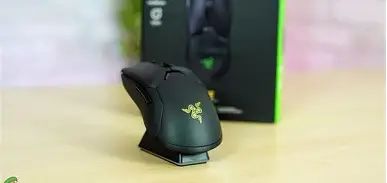
Build Quality and Long-Term Confidence
Over a month, build quality shows up in small ways: creaks when gripping tightly, button wobble, inconsistent scroll behavior, or a shell that feels fragile. The Viper Ultimate held up well in routine use. Buttons remained stable, the shell stayed solid, and nothing developed a “loose” feel that can undermine confidence.
For buyers, the real question is whether the mouse feels like a durable daily tool or a delicate lightweight device. The Viper Ultimate manages to feel performance-focused without feeling flimsy.
Software and Settings: What It’s Like to Live With
Modern gaming mice often rely on software for configuration: DPI steps, polling rate, button remaps, and lighting. Buyers typically want two things: easy setup and reliable persistence. The Viper Ultimate is best when configured once and then left alone. A typical best practice is to:
- Set one or two DPI steps that match the user’s games and desktop preference.
- Assign side buttons to the few actions used constantly.
- Disable unnecessary lighting if battery life is a priority.
After initial setup, the daily experience should be simple: pick up the mouse and use it without having to constantly re-tune. For buyers sensitive to software overhead, the key is whether the chosen settings remain stable and whether updates or background processes become a distraction. The ideal outcome is “configure, then forget,” and the mouse generally supports that pattern.
Pros & Cons
Pros
- Competitive-ready wireless feel with stable, consistent responsiveness in daily play.
- Lightweight, agile handling that reduces fatigue and supports fast direction changes.
- Strong sensor performance with reliable tracking for flicks and micro-adjustments.
- Convenient charging dock that can make battery management nearly effortless.
- Comfortable for claw/fingertip grips thanks to a low-profile, streamlined shape.
Cons
- Not ideal for all palm grippers, especially those wanting a taller hump or more hand fill.
- Dock isn’t for everyone; it can feel like extra desk clutter for minimalist setups.
- Side buttons are functional but not “macro-mouse” tier for users who want larger or more pronounced buttons.
- Click feel is performance-oriented and may be too light for those who prefer heavier, more deliberate actuation.
Comparison Table: Viper Ultimate vs. Common Alternatives
For buyers cross-shopping in the same category, the differences usually come down to shape, weight/balance, charging convenience, and button feel—not raw sensor quality, which is excellent across most flagship models. The table below focuses on practical differences that show up in daily use.
| Model | Best For | Shape Feel | Wireless/Charging Convenience | Notable Trade-Off |
|---|---|---|---|---|
| Viper Ultimate | Competitive FPS, claw/fingertip users, people who value a dock | Low-profile, agile, “disappears” in hand for many grips | Dock can make charging effortless if used consistently | May feel less supportive for large-hand palm grip |
| Logitech G Pro X Superlight | Players who want ultra-light simplicity and a universally safe shape | Neutral, comfortable for many hand sizes | No dock; simple cable charging routine | Less “set it down and forget it” charging than a dock setup |
| Razer DeathAdder V2 Pro | Palm grip fans and users who want ergonomic support | Ergonomic, higher-profile, more hand-filling | Wireless charging convenience depends on accessories and setup | Less ambidextrous feel; not as “nimble” for some flick styles |
| SteelSeries Aerox 3 Wireless | Lightweight feel with a different shell design approach | Lower profile, airy handling | Standard charging routine | Shell feel/design is polarizing; not everyone likes the texture and structure |
Buying Guide: Who Should (and Shouldn’t) Choose the Viper Ultimate
Choose the Viper Ultimate if…
The Viper Ultimate is an excellent match for buyers who want a competitive wireless mouse that stays out of the way—light, responsive, and consistent—while adding an easy charging routine.
- The buyer plays competitive shooters and values quick flicks, rapid resets, and reduced fatigue.
- The buyer uses claw or fingertip grip and prefers a low-profile shape that does not force a full palm fill.
- The buyer hates cables and wants the convenience of placing the mouse down to charge rather than plugging it in.
- The buyer wants a straightforward button layout with just enough side-button utility for gaming and daily browsing.
Consider alternatives if…
Even strong products have mismatches. The Viper Ultimate is not the universal best choice for every desk and every hand.
- The buyer is a committed palm gripper who wants a higher hump and more ergonomic support throughout the hand.
- The buyer wants lots of side buttons for productivity macros or MMO-style controls.
- The buyer wants a minimal desk setup and strongly prefers avoiding a dock or extra accessories.
- The buyer prefers heavier, more deliberate clicks to reduce accidental presses in work scenarios.
What to look for when evaluating fit (practical checklist)
For most buyers, the deciding factor is not the sensor or wireless performance, but the ergonomic match and daily routine. A short checklist helps avoid regret:
- Hand size: Larger hands often want more height or a longer shell for palm grip comfort.
- Grip style: Claw and fingertip users typically benefit most from the Viper Ultimate’s profile and weight.
- Primary games: FPS players often prioritize weight and balance; strategy and productivity users may value scroll feel and button ergonomics more.
- Charging habits: If the buyer already docks devices (headsets, controllers), the mouse dock will feel natural. If not, it may feel like clutter.
- Desk space and layout: A dock needs a stable spot; cramped desks may make a cable-only routine more practical.
Recommended setup tips for most users
To get the best experience quickly, most users benefit from a few practical choices:
- Use one or two DPI steps rather than cycling through many. This reduces accidental DPI changes and builds muscle memory.
- Match pad type to play style: a speed pad emphasizes quick flicks; a control pad emphasizes stopping power and micro-control.
- Decide on a charging routine: either commit to the dock habit or plan a weekly cable charge to avoid surprise low battery.
- Keep the receiver placement sensible for best wireless stability (reasonably close, minimal obstructions).
Conclusion: The Month-Later Verdict
After a month of daily use, the Viper Ultimate stands out as a high-performance wireless mouse that delivers what most competitive-minded buyers want: consistent responsiveness, reliable tracking, and an agile feel that supports fast aim corrections and long sessions. Its shape is particularly friendly to claw and fingertip grips, and its lightweight handling makes it feel quick without feeling unstable.
The defining lifestyle feature is the charging dock. For the right desk setup, it turns battery management into a non-issue and helps the mouse feel “always ready.” For buyers who dislike extra hardware on the desk or who prefer a more hand-filling ergonomic shape, a different model may be a better long-term match.
Overall, the Viper Ultimate remains a compelling option for performance-first users who want wireless freedom with minimal compromise and a charging routine that can be as effortless as setting the mouse down at the end of the day.